- There is no reason to panic!
- Infection with HPV is very common, especially in young women.
- It is also called a silent epidemic, since HPV infections are widespread in the population and usually cause no symptoms.
- The chance of a young woman being infected with HPV during her lifetime is estimated to be as high as 80%.
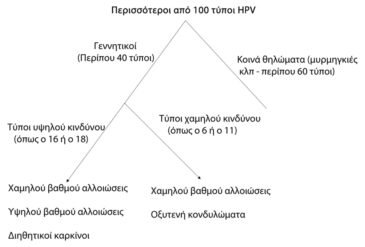
- Around 40 different HPV genotypes infect the lower genital tract and the uterine cervix. They are divided into two groups: low-risk and high-risk.
- Cervical cancer is a rare outcome of infection by carcinogenic types of HPV and it is preventable.
- In young women, infection even by HPVs is suppressed in up to 90% of cases, within 2-3 years.
- In around 10% of young women, and around 10-20% of women above 30, infection by carcinogenic HPVs cannot be suppressed by their immune systems.
- This small group of women is at a higher risk of developing premalignant lesions and cancer in the future.
- As regards the uterine cervix, usually 10-30 years pass from infection to cancer.
- Premalignant lesions of the uterine cervix (CIN 2-3 or HSIL) usually precede cancer, and they can be detected by preventing tests (a Pap test, HPV test and colposcopy) and be removed.